Gold Trading in Volatile Markets: Why Krugerrands Often Outperform Paper Gold
Volatility has become the new normal in global financial markets. Inflation shocks, aggressive interest rate cycles, currency swings, geopolitical tensions, and fragile banking systems have reshaped how investors think about risk. In response, gold trading has once again taken centre stage as investors look for assets that can preserve value when confidence in financial markets weakens.
Most conversations around gold investing focus on which gold product to buy. Far fewer explore a more critical question: how different gold instruments behave under stress.
This distinction matters.
During calm markets, paper gold products such as ETFs, futures, and CFDs often appear efficient and cost-effective. But when volatility spikes and liquidity tightens, the structural differences between physical Krugerrands and paper gold instruments become impossible to ignore.
This article shifts the conversation by comparing Krugerrands vs paper gold in volatile market conditions, not just in terms of headline price performance, but in reliability, accessibility, liquidity, and investor confidence. In doing so, it explains why Krugerrands often outperform paper gold when markets are under pressure and why they continue to play a critical role within long-term gold trading strategies.
Understanding Volatility in Modern Gold Trading
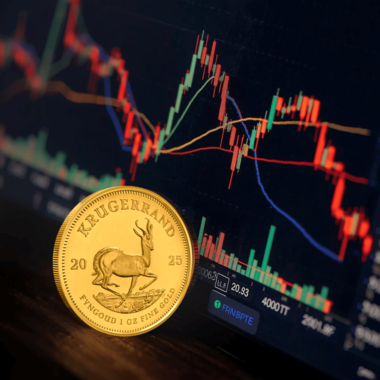
Volatility refers to the speed and magnitude of price movements across markets. While gold is often labelled a “safe haven,” not all gold exposure reacts the same way when volatility rises.
Recent years have demonstrated this clearly:
- Rapid global interest rate hikes
- Banking sector stress in the US and Europe
- Persistent geopolitical flashpoints
- Sharp currency fluctuations, particularly in emerging markets
A notable recent example was the renewed banking sector uncertainty in early 2024, which triggered a sudden flight into physical gold as investors questioned counterparty stability across financial institutions. While gold prices rose broadly, physical bullion premiums widened, highlighting demand for direct ownership rather than synthetic exposure.
This distinction is essential for investors involved in gold trading, especially those relying heavily on paper instruments.
Krugerrands vs Paper Gold, What’s the Real Difference?
At first glance, all gold exposure may appear equal. In reality, the structure behind each product determines how it behaves during market stress.
What Are Krugerrands?
Krugerrands are South Africa’s most recognised bullion coin and one of the most actively traded physical gold products globally. Each coin represents direct ownership of physical gold, with no reliance on financial intermediaries once acquired.
Key characteristics include:
- Fully allocated physical gold
- Globally recognised and trusted
- Highly liquid in both calm and volatile markets
- Independent of issuer balance sheets
You can explore how Krugerrands are traded locally via ISA Gold’s platform here:
https://www.isagold.com/
What Is Paper Gold?
Paper gold refers to financial instruments that track gold prices without delivering physical ownership. Common examples include:
- Gold ETFs
- Gold futures contracts
- Gold CFDs
While these products offer convenience, leverage, and ease of trading, they introduce additional layers of risk, particularly during periods of market disruption.
Counterparty Risk, The Hidden Variable in Volatile Markets

One of the most overlooked risks in gold trading is counterparty risk, the risk that the institution standing behind a financial contract fails to meet its obligations.
Why Counterparty Risk Matters During Financial Stress
In stable markets, counterparty risk feels abstract. During crises, it becomes very real.
Paper gold instruments depend on:
- Fund issuers
- Clearing houses
- Broker solvency
- Exchange functionality
History shows that when financial systems come under pressure, these dependencies can break down. Trading halts, settlement delays, margin calls, and even forced liquidations can occur, regardless of gold’s underlying price.
By contrast:
Krugerrands eliminate counterparty risk entirely.
Once you own the coin, your exposure is not dependent on any institution’s balance sheet.
This distinction explains why many seasoned investors shift part of their gold trading exposure into physical bullion during volatile periods.
Volatility Favours Tangible Assets
Periods of uncertainty tend to drive a behavioural shift among investors. When trust in financial systems weakens, demand for tangible assets rises.

Physical Gold Demand During Crises
Historical patterns are consistent:
- Physical gold buying increases during inflation scares
- Bullion demand rises during banking instability
- Trusted coins attract higher premiums during geopolitical uncertainty
According to data published by the World Gold Council, physical gold demand has surged during recent periods of financial stress, particularly in emerging markets and regions exposed to currency volatility.
External reference: https://www.gold.org/
Krugerrands benefit directly from this behaviour. As demand rises:
- Liquidity improves
- Dealer networks remain active
- Premiums often increase
This demand-driven dynamic is a key reason Krugerrands often outperform paper gold during volatile gold trading cycles.
When Paper Gold Struggles Under Pressure
Paper gold products behave very differently during market disruptions.

Liquidity Constraints and Structural Risks
While ETFs and derivatives are designed to track gold prices, they can face challenges such as:
- Temporary trading suspensions
- Dislocations between spot price and fund NAV
- Forced selling due to margin calls
- Reduced access during peak volatility
During the March 2020 market turmoil, for example, several gold ETFs experienced liquidity strain as physical supply chains tightened while paper claims continued trading.
This divergence reinforces an important lesson in gold trading: price exposure is not the same as ownership.
Krugerrands as a Hedge Within Gold Trading Cycles
Krugerrands should not be viewed as a replacement for all paper gold instruments. Instead, they function best as a volatility hedge within broader gold trading strategies.
Why Krugerrands Retain Liquidity When It Matters Most
Trusted bullion coins like Krugerrands benefit from:
- Global recognition
- Transparent pricing
- Deep dealer networks
- Consistent demand during uncertainty
ISA Gold supports this liquidity through its regulated platform and transparent pricing model:
https://www.isagold.com/krugerrand-price-today/
This reliability is particularly valuable when markets are stressed and investors prioritise certainty over leverage.
Outperformance Isn’t Just About Price
A common misconception in gold trading is that outperformance only refers to price appreciation. In volatile markets, performance should be evaluated more holistically.

What Real Outperformance Looks Like During Volatility
Krugerrands often outperform paper gold by offering:
- Reliable access to gold exposure
- Strong secondary market liquidity
- Reduced dependency on financial intermediaries
- Higher investor confidence
This is especially relevant when currency movements amplify local pricing , a dynamic explored in detail in ISA Gold’s article:
Krugerrand Worth Today: How Global Currency Movements Quietly Reprice Your Coin
https://www.isagold.com/articles/krugerrand-worth-today-currency-impact/
Understanding this interaction between currency volatility and physical gold pricing is critical for South African investors engaged in gold trading.
Strategy Matters, Physical and Paper Can Coexist
Effective gold trading strategies recognise that no single instrument is perfect in all market conditions.
Combining Physical and Paper Gold Thoughtfully
Investors may benefit from:
- Paper gold for short-term trading and tactical exposure
- Krugerrands for long-term stability and crisis resilience
The optimal mix depends on:
- Risk tolerance
- Investment horizon
- Liquidity needs
- Confidence in financial intermediaries
ISA Gold offers resources to help investors structure balanced gold exposure.
Why Trade Krugerrands with ISA Gold?
Choosing the right platform matters as much as choosing the right product.
ISA Gold provides:
- Transparent pricing
- Secure, regulated trading
- Deep local market expertise
- Access to South Africa’s most trusted gold coin products
Key benefits include:
- Real-time pricing and execution
- Seamless buying and selling of Krugerrands
- Educational insights to support informed gold trading decisions
Learn more about ISA Gold’s trading platform here:
– https://www.isagold.com/
– https://www.isagold.com/gold-traders/
Key Takeaways for Investors
- Physical ownership reduces counterparty risk: Krugerrands are not dependent on financial intermediaries.
- Volatility favours tangible assets: Demand for physical gold often rises during market stress.
- Paper gold behaves differently in crises: ETFs and derivatives can face liquidity or structural risks.
- Krugerrands act as a hedge within gold trading cycles: They offer stability when volatility increases.
- Outperformance isn’t just price-based: Reliability, access, and liquidity matter in turbulent markets.
- Strategy matters: Investors may benefit from combining physical and paper gold based on risk tolerance.
Final Thoughts
Volatile markets expose structural weaknesses that remain invisible during calm conditions. For investors engaged in gold trading, understanding how different gold instruments behave under stress is no longer optional, it’s essential.

Krugerrands continue to stand out not because they always deliver the biggest headline price moves, but because they offer something far more valuable during uncertainty: confidence, reliability, and true ownership. In an era where volatility is the norm, those qualities matter more than ever.